July 27, 2026
Embarking on a creative journey requires more than just raw talent; it demands a structured environment where foundational techniques can grow. Developing a personal artistic voice is a fulfilling pursuit that takes patience, dedication, and proper guidance. While many individuals explore creative hobbies independently, building a strong set of visual skills is what truly allows an artist to transform concepts into compelling finished pieces.
Learning the core principles of composition, color relationships, and medium manipulation helps creators overcome technical hurdles with ease. Engaging in regular, structured practice builds the manual dexterity and visual vocabulary needed to produce striking artwork. For aspiring creators looking to refine their craft, seeking structured guidance is an excellent way to elevate their output. Understanding the fundamental abilities developed through professional art schools helps students appreciate the true depth of visual expression.
Mastering Foundational Media
Studying the core mechanics of drawing forms the bedrock of all visual expression. Developing precision in line work, accurate proportions, and spatial awareness allows creators to replicate the three-dimensional world on a flat surface. Students learn to observe details, capturing the play of light and shadow across complex forms. According to a national visual arts study from the Arts Education Data Project,8% of all students lack the opportunity to study arts education during the school day, so the foundational training provided in traditional art schools remains a primary pathway for mastering these timeless observational techniques. Regular charcoal and graphite practice trains the eye to see shapes accurately, preparing students for more complex creative tasks.
Painting With Dynamic Colors
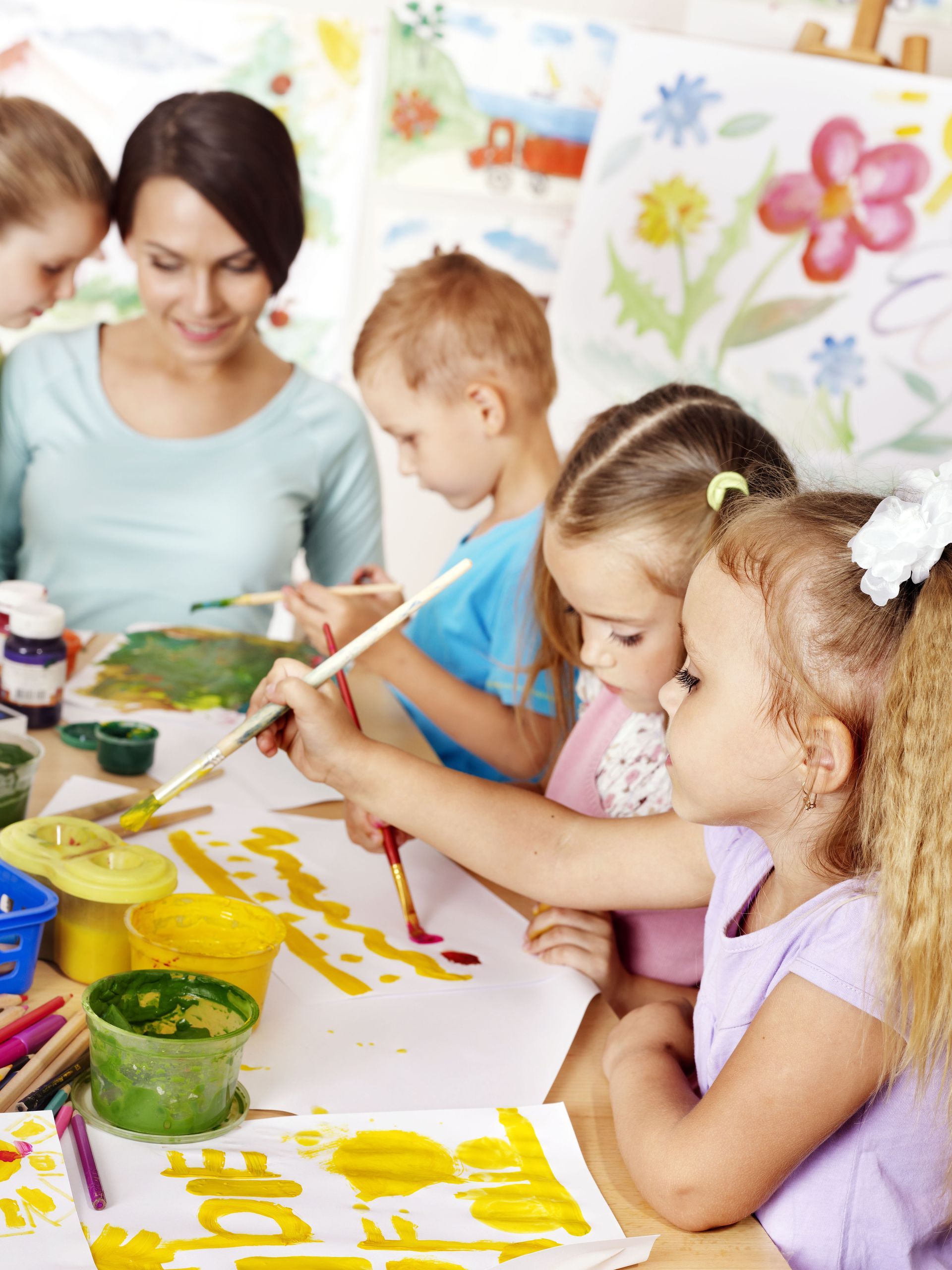
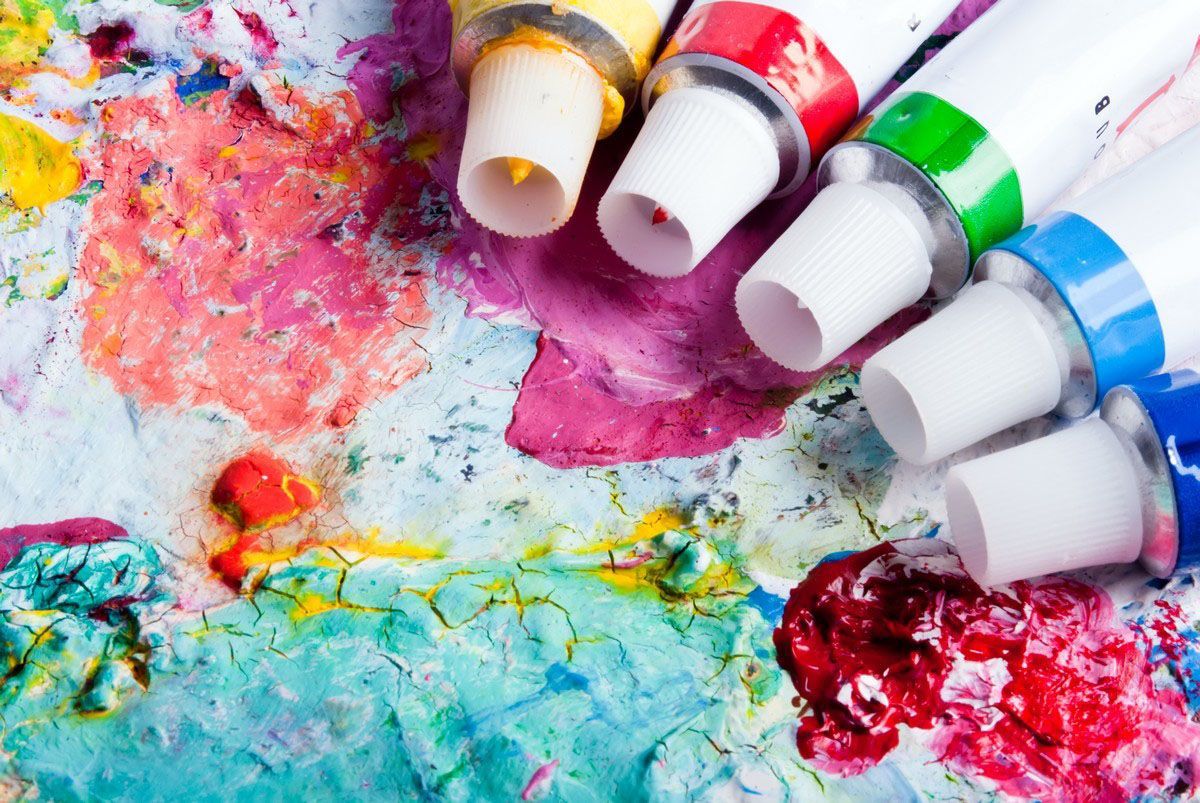
Exploring color theory and fluid application is another essential step in a student's creative growth. Learning how different pigments interact, mix, and dry on a canvas prevents mudding and ensures vibrant results. Students practice managing brushwork density, layering values, and controlling edge transitions to create depth within their compositions. Working through structured still-life and landscape exercises teaches individuals how to evoke mood and temperature using color relationships. This practical experience gives creators the confidence to use acrylics, oils, or watercolors effectively.
Sculpting With Three-Dimensional Forms
Shifting from flat surfaces to physical, three-dimensional spaces introduces students to structural balance and tactile texture. Manipulating clay, wood, or wire requires an understanding of structural integrity and physical weight distribution. Creators learn to analyze an object from every angle, ensuring the piece looks cohesive from the front, back, and sides. This hands-on process deepens a student's spatial awareness, which directly improves their two-dimensional drawing and painting skills. Working with tangible mediums teaches individuals to respect the physical properties of their materials.
Cultivating Analytical Observation
Learning to analyze a finished artwork objectively is a crucial skill for any growing creator. Critique sessions teach students to look past basic aesthetics and evaluate the technical execution, compositional balance, and narrative clarity of a piece. Individuals practice discussing visual elements using precise terminology, which helps them communicate observations clearly. Participating in these group reviews teaches creators to spot areas for improvement in their own projects, turning every critique into a learning opportunity.
Accepting Constructive Input Gracefully
Receiving feedback on personal artwork can be an intense emotional process for many students in art schools. Developing the ability to separate personal identity from a physical project is essential for long-term growth. Instructors guide students to view critiques as helpful diagnostic reviews rather than personal judgments. Learning to process suggestions objectively allows creators to refine their techniques and fix compositional errors without losing their enthusiasm. This mental flexibility keeps the creative process moving forward smoothly.
Analyzing Historical Masterpieces
Studying the evolution of visual styles across different eras provides vital context for modern creations. Students examine how past movements influenced current techniques, exploring the connection between culture and imagery. Recognizing the stylistic choices of classical masters allows creators to borrow successful compositional frameworks for their own work. This contextual knowledge enriches a student's portfolio, ensuring their original concepts feel informed, intentional, and deeply grounded.
Developing Original Concepts
Facing a blank canvas or running out of ideas is a common hurdle that every artist encounters at some point. Developing reliable strategies to jumpstart inspiration keeps projects moving forward even when motivation runs low. Instructors from professional art schools teach students to use brainstorming exercises, thumbnail sketching, and visual research to uncover fresh perspectives. Learning to break down a large project into smaller, manageable creative steps prevents overwhelm and helps students maintain momentum during challenging assignments.
Sketching Layout Variations Quickly
Generating multiple small layout sketches before touching a final canvas saves time and prevents major compositional mistakes. Students practice working through diverse arrangements, testing different focal points and horizon lines rapidly. This process encourages creative risk-taking, as discarding a rough two-minute sketch carries no negative consequences. Finding the strongest visual balance early on ensures that the final piece functions effectively and leads the viewer's eye exactly where the artist intended.
Combining Unconventional Materials
Pushing past traditional boundaries by mixing different mediums encourages innovation and unique self-expression. Combining collage elements, ink washes, and textured pastels teaches students to think outside the box during production. This open experimentation shows creators how different textures can add narrative layers to a piece. Learning to adapt techniques when unexpected material reactions occur builds problem-solving skills, allowing artists to turn mistakes into interesting visual elements.
Communicating Visual Stories
Arranging visual elements inside a frame to tell a clear story is a fundamental aspect of image-making. Students master the rule of thirds, leading lines, and positive versus negative space to guide the viewer's gaze. A well-organized composition ensures that the most important parts of the narrative catch the eye first. Understanding how to control these visual pathways allows creators to build tension, balance, or movement within their work, turning a simple image into an engaging story.
Utilizing Color Psychology
Selecting a specific palette can alter how an audience interprets an image before they even analyze the subject matter. Students learn to use contrasting tones to create drama, or analogous shades to evoke a sense of calm and unity. Instructors show how adjusting color saturation can make certain characters or objects stand out against a muted background. Mastering these color dynamics allows artists to communicate feelings and themes clearly without relying on written text.
Establishing Professional Habits
Assembling a clean, cohesive collection of finished artwork is essential for showing growth and individual style to the community. Students receive guidance on how to photograph their work properly, organize their best pieces, and write clear descriptions for each project. A well-curated portfolio highlights technical proficiency across various mediums while showcasing a distinct personal viewpoint. Learning this presentation skill ensures that an artist's work looks polished and ready for community exhibitions.
Managing Studio Workspaces
Maintaining a clean, safe, and well-organized workspace is vital for creative focus and long-term productivity. Students learn the proper ways to care for expensive brushes, store volatile pigments safely, and clean heavy easel equipment. Understanding studio maintenance prevents material waste and protects the longevity of expensive tools. Developing these orderly physical habits ensures that the creative environment remains welcoming, organized, and fully prepared for the next project.
Enrolling in structured art schools offers an educational experience that goes far beyond simply learning to paint or draw. By developing technical proficiency, analytical observation skills, and robust concept-building habits, students gain the complete toolkit needed to express their ideas clearly. The foundational skills built during these courses stay with creators for life, enriching their personal projects and deepening their overall appreciation for the arts.
When you feel ready to refine your techniques and explore the full potential of your creative voice, finding supportive art schools makes a massive difference. Taking structured classes removes the frustration from learning and helps you build a strong portfolio alongside fellow creators. If you want to elevate your visual abilities and explore comprehensive instruction tailored to your goals, contact Creating My Art, LLC today to learn more about our upcoming programs.